-
AutorPostagens
-
-
Strait of Hormuz
Disruption: How Africa
Can Hedge Against a
Global Energy Shock.
Introduction: A Distant Crisis with Immediate Consequences.
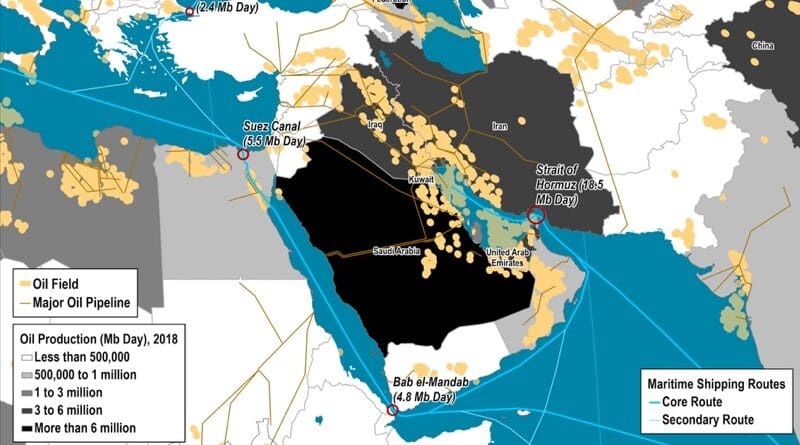
The potential closure or disruption of the Strait of Hormuz — through which roughly one-fifth of global oil supply passes — represents one of the most significant geopolitical risks to the global economy. Rising tensions involving Iran have already driven oil price volatility, with cascading implications for energy-importing regions, particularly across Africa.
While Africa is often perceived as resource-rich, the reality is more complex: many African countries are net importers of refined petroleum, making them acutely vulnerable to global price shocks.
For African economies, the consequences are not abstract or delayed. They are immediate, amplified, and systemic. The recent surge in oil prices triggered by tensions in the Gulf, as highlighted in global financial reports, underscores a fundamental asymmetry: Africa may be resource-rich, but it is structurally energy-dependent.
Why the Strait of Hormuz Matters for Africa.
1. Energy Price Transmission – Africa’s Energy Paradox: Exporter of Crude, Importer of Vulnerability:
This creates a two-layer dependency:
– External refining markets (Europe, Asia, Middle East).
– Global shipping routes, especially chokepoints like Hormuz.
Oil price spikes triggered by instability in the Strait immediately translate into:
– Higher fuel costs.
– Increased transport and logistics expenses.
– Rising food prices (due to supply chain inflation).
Countries such as Kenya, Senegal, and Morocco—all heavily reliant on imported refined fuel—face rapid inflation pass-through effects. This paradox converts resource wealth into macroeconomic fragility.
2. Currency Depreciation Pressure:
Oil-importing African economies typically pay in U.S. dollars. When oil prices surge:
– Demand for dollars increases.
– Local currencies weaken.
– Debt servicing costs rise.
This creates a feedback loop of inflation + currency instability, particularly in fragile economies.
3. Fiscal Strain and Subsidy Burdens:
Governments often respond by:
– Expanding fuel subsidies.
– Absorbing price increases.
But this leads to:
– Widening fiscal deficits.
– Reduced spending on infrastructure and social services.
Countries like Egypt and Nigeria have historically faced this dilemma during oil shocks.
4. Winners vs Losers:
Not all African countries lose:
– Exporters like Angola and Algeria benefit from higher revenues.
– Importers suffer macroeconomic stress.
This divergence widens intra-African inequality.
Secondary Effects: Beyond Energy – The Second-Order Effects:
Food Security:
The Hidden Multipliers: Food systems under pressure translates into higher fuel cost increases, and ripples into: higher fertilizer prices, irrigation costs, transport margins.
The Results: Food inflation and heightened insecurity, especially across the Sahel and East Africa.
Monetary Policy Tightening:
Central banks may increase interest rates to combat inflation, slowing growth.
Trade Imbalances:
Rising import bills weaken current account balances, especially for non-resource economies.
How Africa Can Hedge: Strategic Responses.
Strategic Hedging: From Reactive Policy to Structural Resilience To hedge against Hormuz-related shocks, Africa must move beyond reactive crisis management toward systemic transformation.
1. Accelerate Refining Capacity:
Africa exports crude but imports refined fuel — a structural vulnerability.
Solution:
– Invest in domestic refining (e.g., Dangote Refinery).
– Develop regional refining hubs.
Impact: Reduces exposure to global refining bottlenecks and improves energy sovereignty.
2. Diversify Energy Mix:
Heavy dependence on imported petroleum is the core risk.
Strategic shift toward:
– Solar (Sahel, North Africa).
– Hydro (Central Africa).
– Gas-to-power domestically.
Countries like South Africa and Kenya are already leading in renewables adoption.
Key insight: Energy transition in Africa is not just environmental, but involves macroeconomic risk management.
3. Build Strategic Petroleum Reserves:
Few African nations maintain sufficient reserves.
Hedging approach: Establish 60–90 day fuel reserves, using sovereign storage agreements.
This cushions short-term supply shocks.
4. Strengthen Intra-African Trade:
The African Continental Free Trade Area offers a structural hedge.
Key opportunity: Regional fuel supply chains, & cross-border energy infrastructure, reducing reliance on external routes like the Strait of Hormuz.
5. Currency and Financial Hedging:
Governments and firms can:
– Use oil hedging instruments (futures, options).
– Diversify FX reserves.
– Price contracts in alternative currencies where possible.
Though underutilized, financial hedging is critical for stability.
6. Reform Subsidy Regimes:
Universal fuel subsidies are fiscally unsustainable.
Alternatives:
– Targeted subsidies for vulnerable populations.
– Gradual price liberalization.
This reduces fiscal exposure during oil shocks.
7. Invest in Logistics and Storage Infrastructure:
Improving inland fuel distribution systems reduces supply bottlenecks and price volatility amplification.
A Strategic Inflection Point – The current geopolitical tensions involving Iran highlight a deeper truth: Africa’s vulnerability is not just about oil prices — it is about structural dependence on external energy systems. The Strait of Hormuz crisis is therefore less a temporary shock and more a stress test of Africa’s economic architecture.
Conclusion: From Exposure to Resilience:
Crisis as catalyst: African economies cannot control geopolitical flashpoints in the Gulf, but they can control their exposure to them.
The path forward lies in energy independence; regional integration; and financial sophistication. Handled correctly, this crisis could catalyze a long-overdue transition from price takers in global energy markets to strategic actors with resilience and leverage.
-
Africa must build energy sovereignty!
Africa should treat instability around the Strait of Hormuz as proof that energy dependence is a national security risk, not merely an economic issue. State-Led resilience should align with models historically seen in countries like South Korea and Singapore.
j.
-
@jcole Looking at this from a Private Investor / Fund Manager perspective: Instability tied to geopolitical risks at the Strait of Hormuz is already creating unstable oil price swings. That is not purely a threat – It is an investment signal.
Volatility is opportunity; especially for African markets!
-
-
 Dicas para comprar imóveis no Reino Unido em Londres: por Simon Don I.participantePimlico, London., United Kingdom
The lesson from volatility around the Strait of Hormuz is clear: countries that control refining, storage, and distribution control their economic destiny.
Energy security is fundamentally about power relationships.
======================================================================
UK Property Buying Tips – First Time Buyers.>>>
======================================================================
-
-
AutorPostagens

Você precisa estar logado para responder a este tópico.