-
AutorPostagens
-
-
Beyond Visibility:
Cultural
Representation, Power,
and Black Gen-Z in
Contemporary Media.
Introduction: Representation as Power, Not Optics.
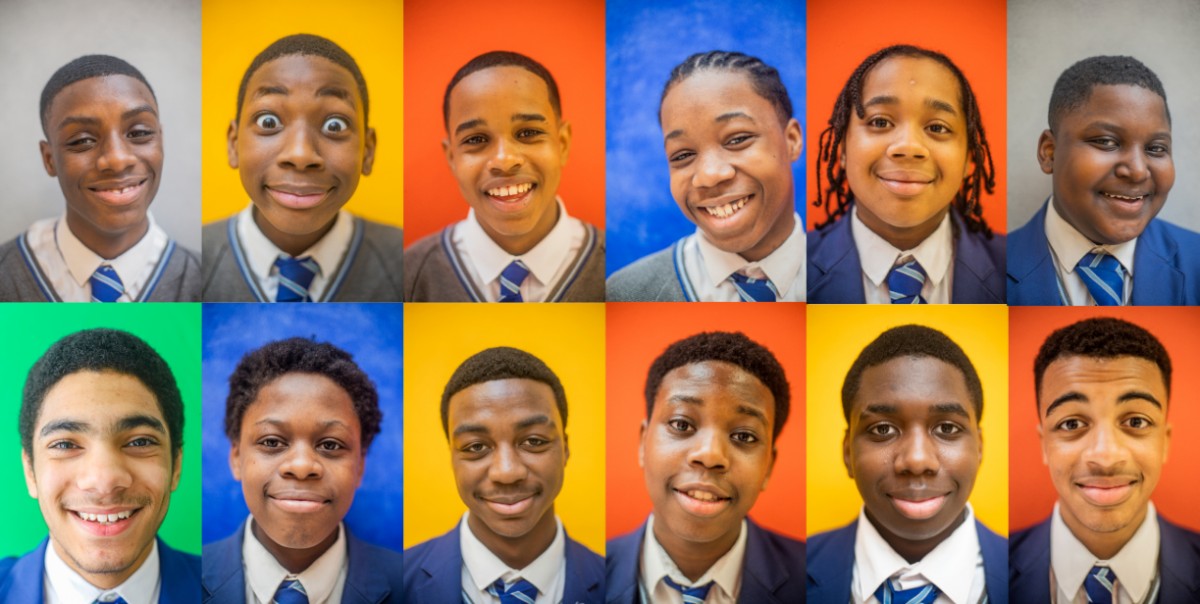
Cultural representation has long been treated as a question of optics — how many faces appear on mainstream tv screens, how many awards are won, how many headlines are written. But for Black Gen-Z, representation is understood less as visibility and more as power: the power to define, to narrate, to imagine.
The shift from inclusion to authorship reflects a fundamental evolution that scholars have articulated for decades. Representation is not merely reflection— it is the construction of identity. Media does not simply show reality; it produces meaning. As Jamaican-born British cultural theorist and sociologist Stuart Hall argued, representation is a process through which meaning is generated and exchanged through culture. Those who control representation therefore influence how groups are understood, valued, and positioned within society.
For Black Gen-Z’s — arguably the most media-saturated generation in history — this insight is not abstract. It is lived.
I. Theoretical Foundations: Representation as a Site of Struggle:
1. Stuart Hall: Representation and the Production of Meaning.
Hall’s encoding/decoding model suggests that media texts are encoded with dominant meanings but can be decoded differently by audiences. Black Gen-Z’s often engage in contentious readings — challenging stereotypes, critiquing tokenism, and calling out narrative framing on social media platforms. Yet Hall also reminds us that representation operates within structures of power. While audiences can resist meanings, the economic and institutional apparatus that produces and shapes media remains. Thus, diversity without structural redistribution of authorship and identity framing remains largely intact.
2. W.E.B. Du Bois and Double Consciousness in Media.
Long before contemporary media theory, W.E.B. Du Bois introduced the concept of “double consciousness” — the internal conflict experienced by marginalised groups who must view themselves through the eyes of a dominant society.
Media intensifies this condition. Black youths often witness portrayals of themselves filtered through non-Black lenses. The result is a mediated double consciousness: seeing oneself as both subject and spectacle.
Black Gen-Z’s insistence on self-authored narratives can be understood as an attempt to collapse this duality.
3. Frantz Fanon: Psychological Consequences of Representation.
Dentro Black Skin, White Masks, Frantz Fanon explored how colonial imagery shapes Black self-perception. For Fanon, representation was not symbolic — it was psychic. Repeated exposure to dehumanizing imagery distorts identity formation.
Modern entertainment ecosystems risk replicating these distortions when Black characters are confined to limited tropes: hyper-athlete, criminal, comic relief, resilient matriarch, e.t.c. While overt caricatures have declined, subtler forms of symbolic identity/group labelling persist.
The psychological stakes remain profound.
4. bell hooks and the “Oppositional Gaze”
ganchos de sino introduced the concept of the “oppositional gaze” — the act of critically looking back at media that marginalizes or distorts Black life. For hooks, Black spectatorship itself was political.
Black Gen-Z embodies this oppositional gaze digitally. Through commentary videos, TikTok critiques, fan edits, and viral threads, they interrogate representation in real time. They refuse passive consumption.
Yet hooks also warned that commodified diversity can neutralize resistance. When representation becomes marketable, critique can be absorbed without structural change.
5. Kimberlé Crenshaw and Intersectionality.
Representation debates often flatten Black identity into a singular experience. Kimberlé Crenshaw’s theory de intersectionality highlights how race intersects with gender, class, sexuality, and other identities. Black Gen-Z demands representation that reflects this complexity:
– The Black protagonists.
– Disabled Black characters.
– Afro-Latino narratives.
– Immigrant diasporic identities.
Intersectionality expands the representational field beyond monolithic portrayals.
6. Patricia Hill Collins and Controlling Images.
Sociologist Patricia Hill Collins identified “controlling images” —stereotypical representations that sustain inequality by normalizing hierarchical thinking.
While contemporary media appears more inclusive, controlling images can morph rather than disappear. The “strong Black woman” trope, for example, can obscure vulnerability [particularly during childbirth] and mental health struggles in Black families, The “effortlessly cool” Black male archetype can, in addition, limit emotional depth.
Ultimately, Black Gen-Z’s rejection of these scripts will signal resistance to these ordinary symbolic confinement.
II. The Algorithmic Era: New Gatekeepers, Old Pattern:
Today, representation is filtered not only by executives but by algorithms. Streaming services, social media platforms, and recommendation systems determine discoverability. Algorithms are not neutral.
Contemporary algorithms reflect historical consumption biases and commercial priorities.
When trauma-driven narratives generate higher engagement, platforms may amplify them. Thus, economic logic can subtly shape representational trends.
Black Gen-Z’s ability to navigate this terrain strategically — will help boost affirming content, calling out bias, and creating alternative digital ecosystems.
III. Moving from Inclusion to Structural Influence:
Theoretical insights demands practical application. If representation is a battleground, then transformation requires structural, and systemic intervention.
1. Institutional Reforms Grounded in Theory, should; include redistribute narrative authority. Following Hall’s insight on the meaning of identity, studios must diversify writers’ rooms, executive boards, and greenlighting committees.
2. Fund Intersectional Storytelling: Inspired by Crenshaw’s framework, content development should intentionally support multidimensional Black identities.
3. Audit Algorithmic Bias: Platforms should publish transparency reports on content promotion patterns and commission independent equity reviews.
4. Commit to Multi-Year Creator Investment: Sustainable representation requires infrastructure, not sporadic diversity campaigns.
5. Creator-Level Strategies: Control Intellectual Property. Ownership disrupts exploitative cycles.
6. Expand Genre Diversity: Representation must extend into speculative fiction, romance, horror, and fantasy — areas historically dominated by non-Black narratives. Complexity challenges controlling images.
7. Audience Agency: The Political Economy of Attention. Attention is currency. Black Gen-Z’s streaming habits, subscription choices, and social media engagement directly influence industry metrics.
Black Gen-Z’s practices should include: Supporting independent creators financially, participating in digital accountability campaigns, and critically evaluating media consumption patterns. As hooks emphasized, spectatorship can be an act of resistance.
IV. Conclusion: Representation as Cultural Infrastructure:
Cultural representation is much more than appearances – It is an arena that requires deep structural intervention. It shapes identity, policy, aspiration, and economic distribution. Theoretical frameworks from Hall to hooks illuminate that representation is inseparable from power.
Black Gen-Z must understand this intuitively.
The future of representation will not be decided solely in casting rooms. It will be determined in boardrooms, classrooms, algorithms, and grassroots digital communities. Visibility is just a starting point! Real transformation requires ownership, narrative sovereignty and structural intervention.
-
-
AutorPostagens

Você precisa estar logado para responder a este tópico.